The Rugged West
The Cederberg and West coast Journey
Beginning at Cape Town’s historic waterfront, this 16-night journey follows the changing landscapes of the Western Cape from the city and Winelands into the Cederberg Mountains and along the Atlantic coast. It is a route shaped by contrast. Mountain passes replace city streets, ancient sandstone rises beyond cultivated valleys and the journey eventually reaches the white beaches and fishing villages of the West Coast.
The experiences are as varied as the terrain. Drive the Cape Peninsula in a classic Cobra, explore Tulbagh’s wine, art and architecture, and explore the Cederberg with specialists who understand its light, geology and ancient rock paintings. Within a protected private reserve, wildlife encounters are balanced by spa treatments, quiet afternoons and guided stargazing beneath the southern sky.
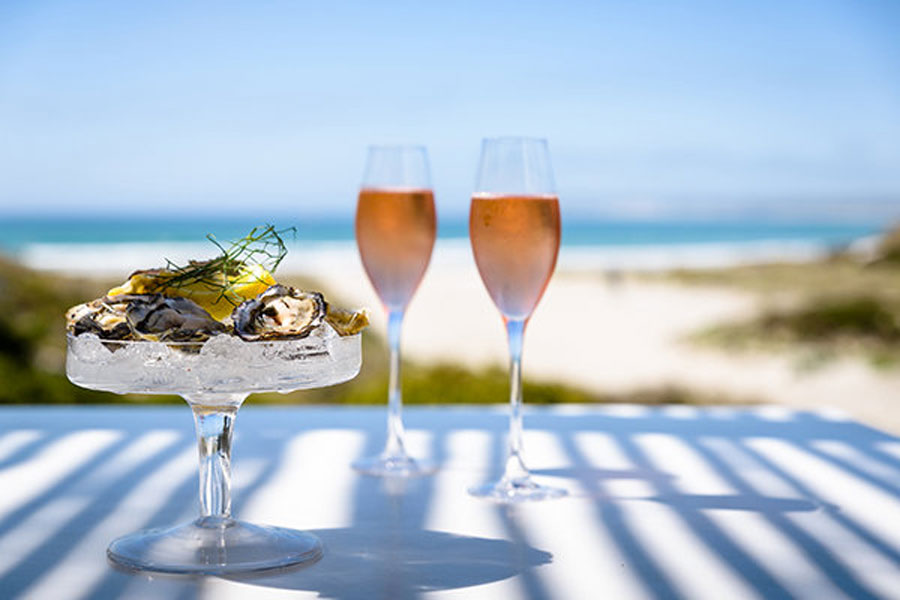
Food and culture become increasingly connected to the landscape as the journey turns towards the ocean. Forage among indigenous coastal plants with a leading botanist before experiencing Wolfgat’s acclaimed Strandveld tasting menu.
Five carefully selected home bases create the framework for the journey. Staying for several nights in each location removes the pressure of constant packing and allows every destination to unfold at a more natural pace. Private signature experiences provide structure, but time is always protected for rest, independent exploration and the spontaneous discoveries that give travel its meaning.
Trip Highlights
- A classic Cobra journey along the Cape Peninsula and into the historic Winelands
- Private wine, Cap Classique, art and architectural experiences in Tulbagh
- Specialist-led Cederberg photography and ancient San rock-art encounters
- Wildlife, wilderness wellness and stargazing within a protected private reserve
- West Coast foraging, lunch at Wolfgat and a guided cultural journey at !Khwa ttu
The Sannu Afrika Difference
- Luxury accommodation across six carefully selected home bases
- Daily breakfasts and selected lunches, dinners and culinary experiences
- Private overland transport and airport transfers throughout the journey
- Specialist-guided cultural, botanical, photographic and wilderness encounters
- A considered balance of signature experiences and unscripted personal time
the journey
Home Base 1
Cape Town | Days 1–4
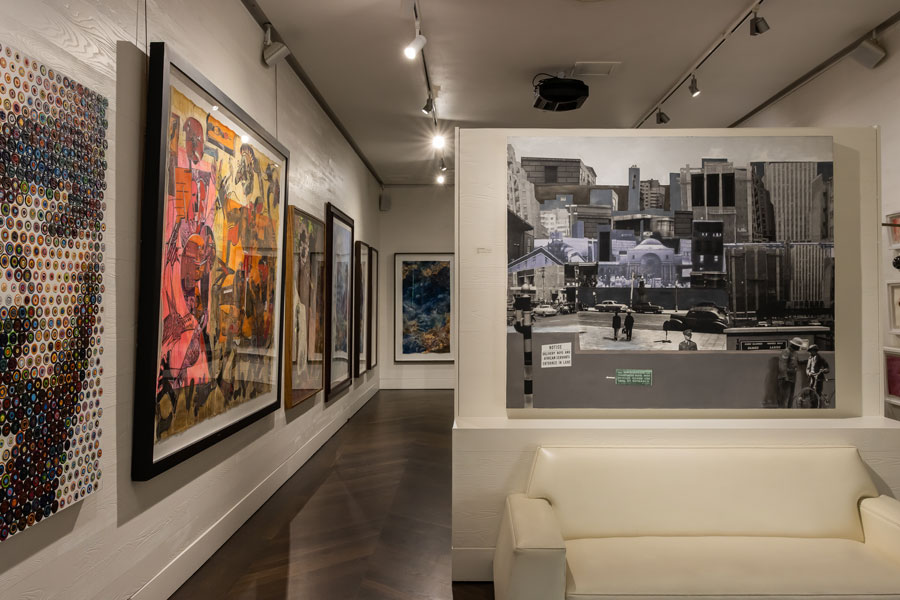
Your journey begins at the edge of Cape Town’s historic harbour with Table Mountain in the distance. Cape Town is energetic, creative and culturally layered, yet your position within the V&A Waterfront provides a calm introduction. The city’s restaurants, galleries and maritime landmarks are close at hand, while the Atlantic coastline and mountain slopes provide a stunning backdrop.
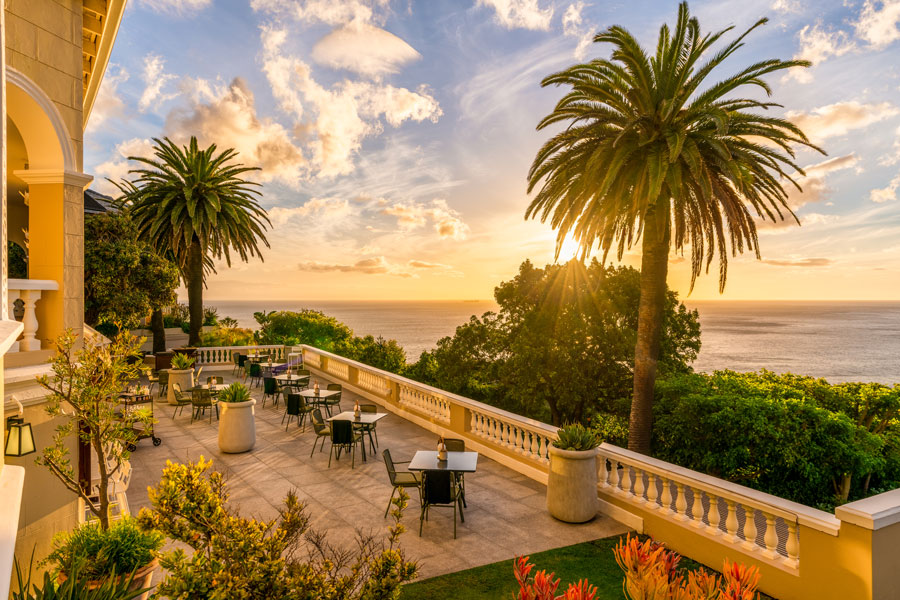
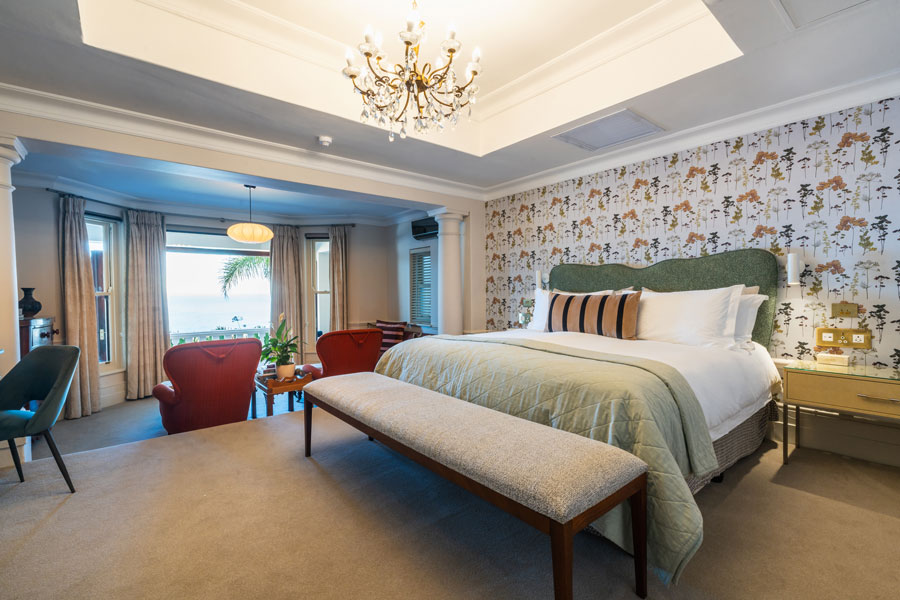
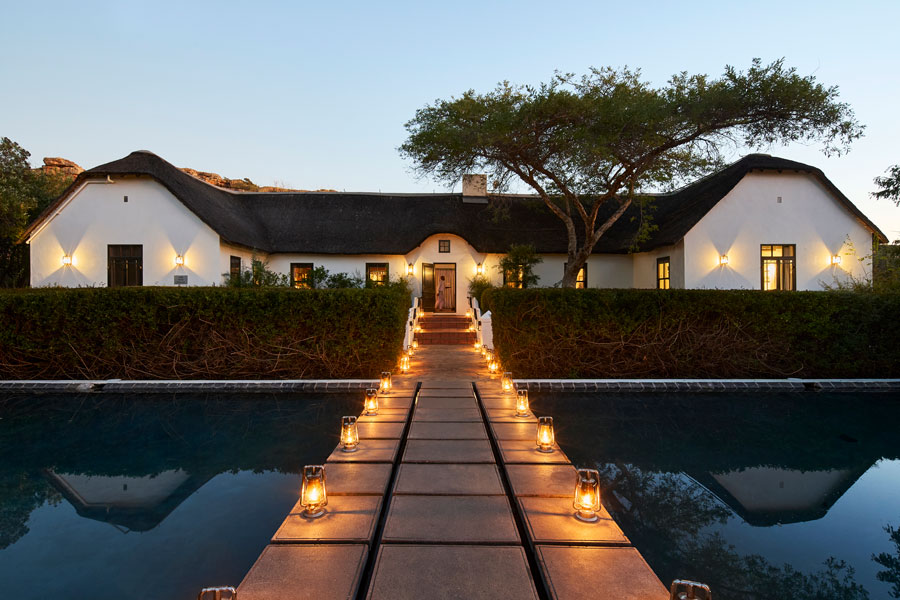
Your home is an intimate Victorian residence once occupied by the harbour engineer. With just six rooms, it feels more like a private house than a conventional city hotel. Ornate ceilings and chandeliers preserve its 19th-century character, while manicured lawns, a swimming pool and a quiet library provide space to withdraw whenever the city’s energy begins to call for a pause.
Accompanied by a specialist local storyteller, your first full day explores the human history of Cape Town. Look out across the city from Signal Hill, wander through the Company’s Garden and follow the brightly coloured lanes of the Bo-Kaap before sitting down to a Cape Malay lunch in a historic setting. The afternoon is yours to shape: join a respectful, community-led walk through one of the city’s established neighbourhoods, or enter the shaded paths of Kirstenbosch with an expert botanist who brings the extraordinary Cape Floral Kingdom into focus.
Then the road opens. Taking the wheel of a classic Cobra, trace the Atlantic coastline through Hout Bay and along one of the world’s great marine drives towards the Cape of Good Hope. There is time for coffee at a small local roastery, an optional coastal walk and a visit to the African penguins at Boulders Beach. Lunch overlooks the fishing harbour in Kalk Bay, after which you can browse its galleries, bookshops and wonderfully individual boutiques without watching the clock.
The following day turns inland towards Stellenbosch. At one of the region’s most celebrated wine estates, a private cellar experience and seated tasting introduce the vintages and landscapes of the Cape Winelands, followed by a beautifully considered lunch. Later, a guided walk along oak-shaded Dorp Street reveals layers of Cape Dutch and Georgian architecture before you pause for coffee and watch the university town move around you.
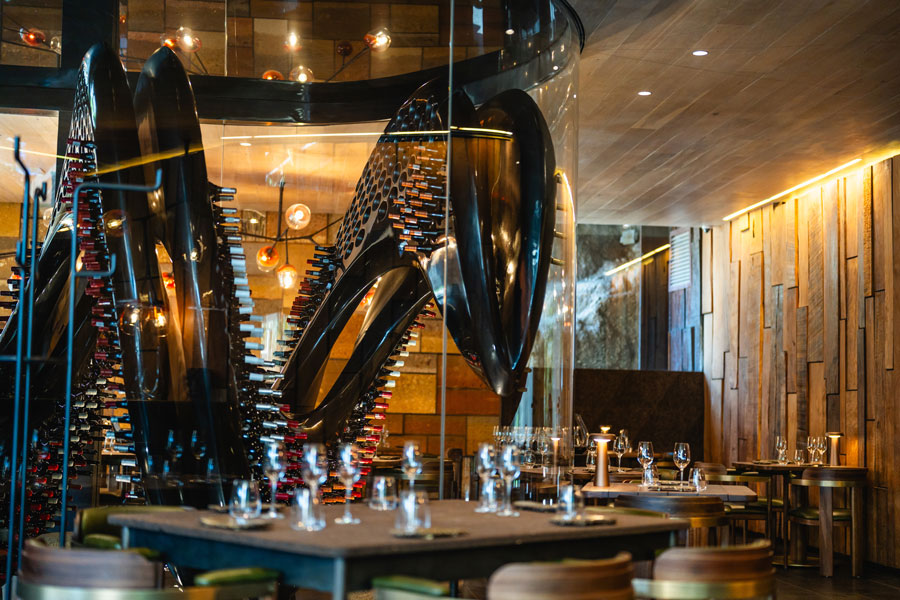
Leaving Cape Town behind, travel north into the Swartland and stop in Riebeek Kasteel, a small country town with an outsized reputation for wine, food and olive cultivation. Discover limited-production wines from some of the region’s most interesting independent producers, then settle in for lunch at an intimate French country brasserie. From here, the landscape gradually closes around you as the road enters the mountain-ringed Tulbagh Valley.
the journey
Home Base 2
Tulbagh | Days 5–7
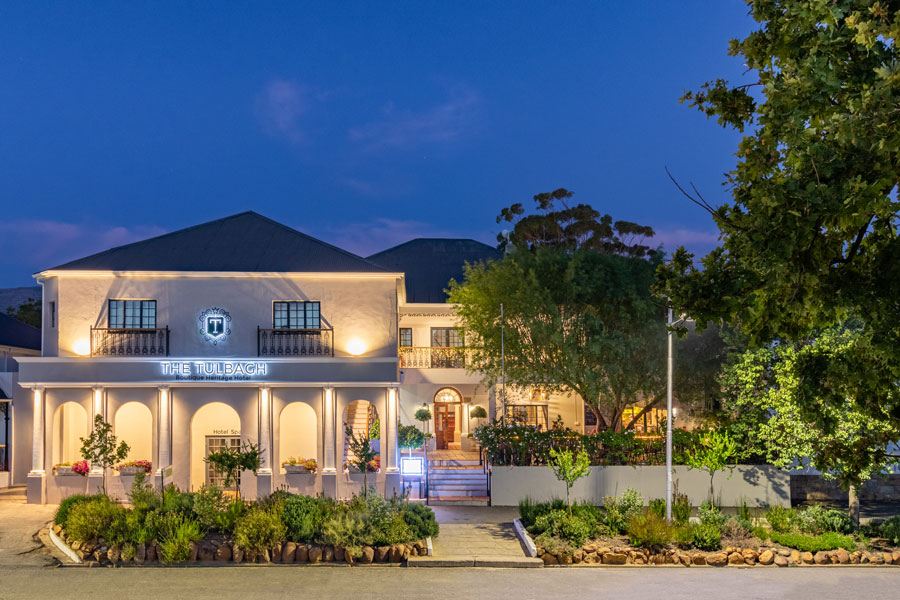
Encircled by the Witzenberg, Winterhoek and Groot Winterhoek mountains, Tulbagh feels protected from the world beyond the valley. Vineyards run towards historic farmsteads, gardens fill the quieter streets and mountain shadows move slowly across the landscape. Although this is one of South Africa’s oldest towns, its atmosphere is not museum-like. It remains intimate, lived-in and wonderfully unhurried.
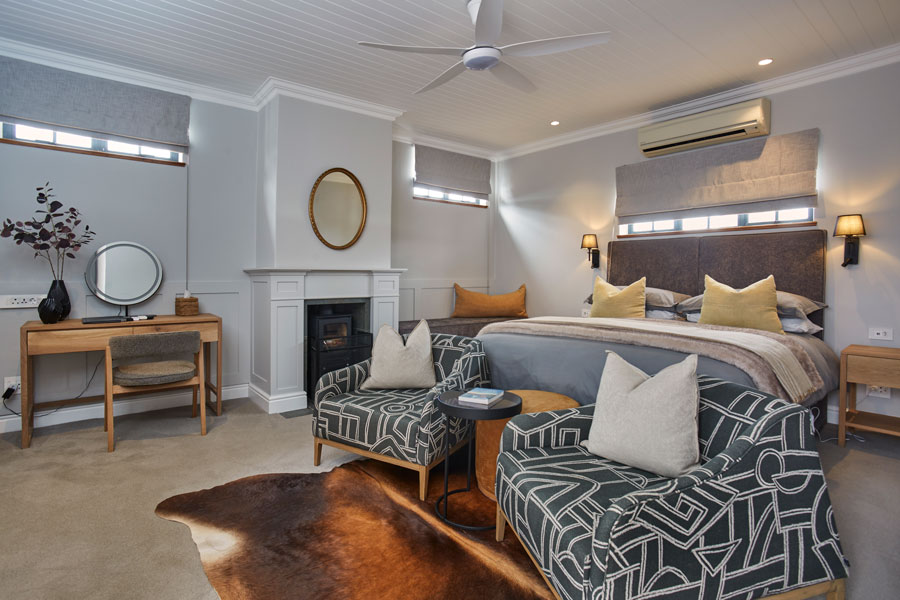
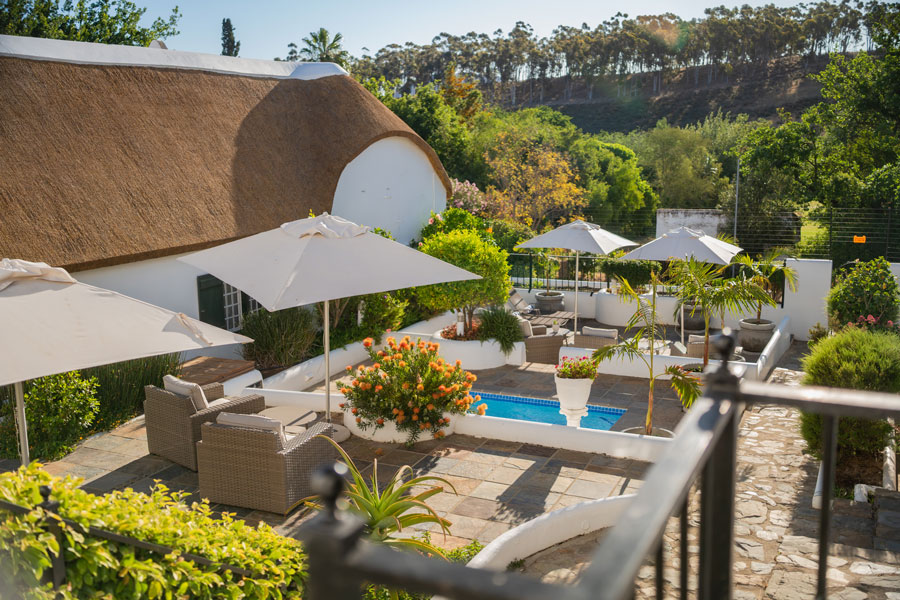
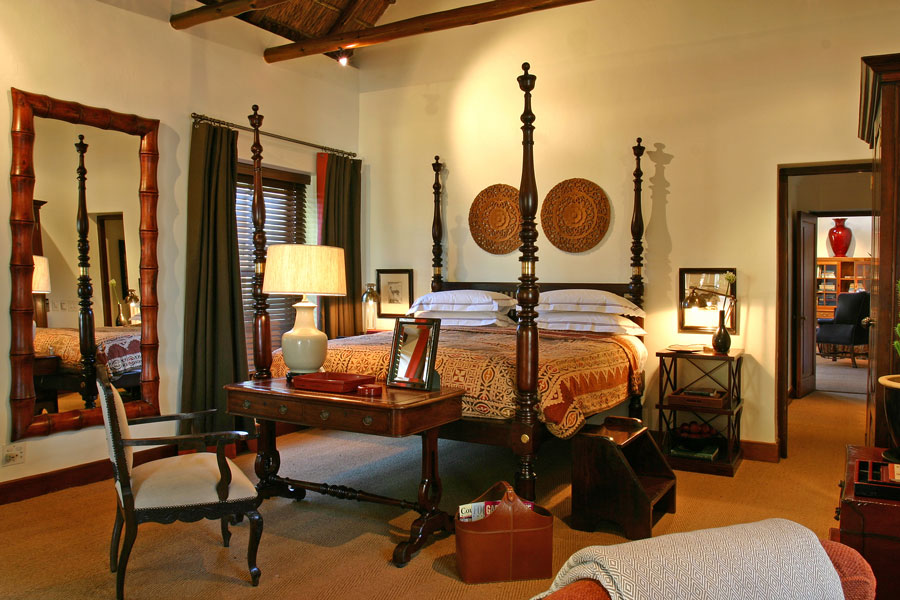
Your home places you within that history. Traditional yellowwood floors, beamed ceilings, chandeliers and four-poster beds recall the character of the early Cape, while an indigenous garden and plunge pool offer a secluded place to spend the warmer hours. Step outside and you are immediately connected to Church Street, yet return through the garden and the pace softens once more.
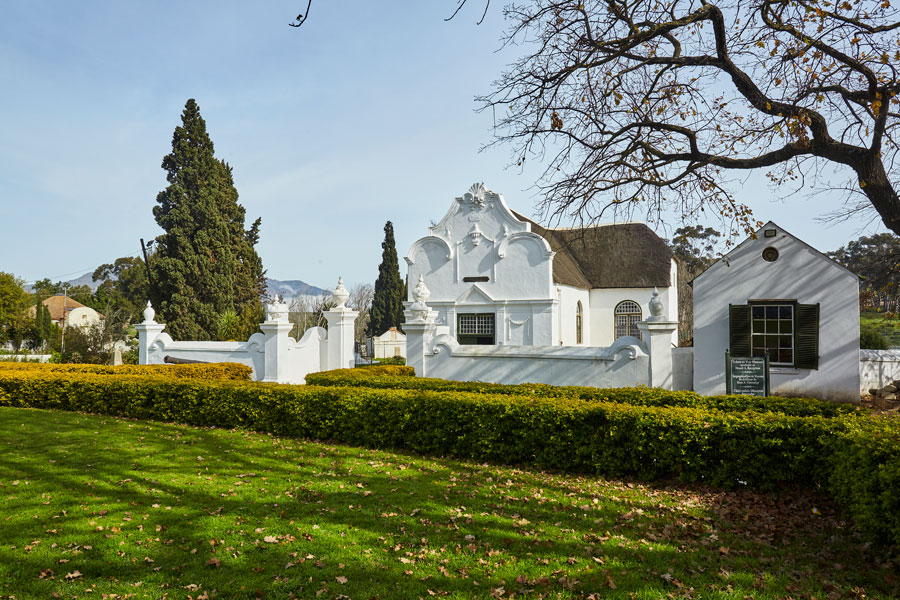
A specialist historian leads you along this remarkable street, revealing Cape Dutch, Georgian, Victorian and Edwardian buildings as well as the story of the earthquake that devastated Tulbagh in 1969. Their painstaking restoration becomes part of a broader conversation about architecture, memory and the survival of a town’s identity. After lunch in one of the historic buildings, the afternoon remains open for the Peace Garden, an optional high tea at the former Drostdy or complete retreat into the quiet of your home base.
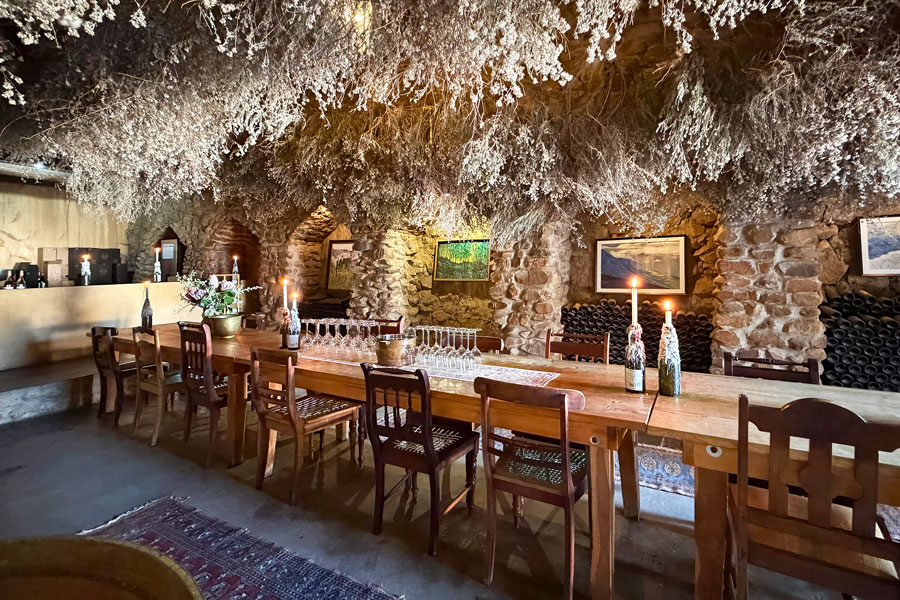
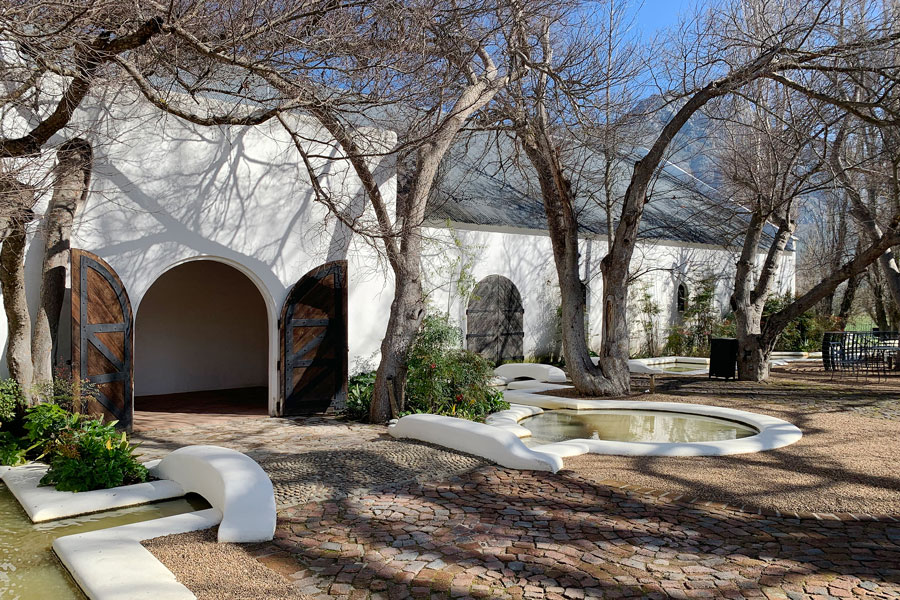
Wine provides a different lens on the valley the following day. One estate brings together Rhône-influenced wines, contemporary South African art and striking mountain views; nearby, a historic family property offers an elegant introduction to Tulbagh’s celebrated Méthode Cap Classique. Tastings unfold slowly, with space to explore the cellars, gardens and creative character of each estate before returning for an unscripted afternoon and an intimate dinner built around seasonal valley produce.
The journey north begins with a private olive-oil experience near Porterville, where cultivation, flavour and craftsmanship are explored away from the busier visitor routes. Continue towards Clanwilliam, known internationally as the home of rooibos, and discover why this indigenous plant grows naturally only within the surrounding mountain region. By mid-afternoon, the vineyards and softer valley scenery have given way to citrus orchards, fynbos and the weathered sandstone formations of the Cederberg.
the journey
Home Base 3
Clanwilliam and the Cederberg | Days 8–10
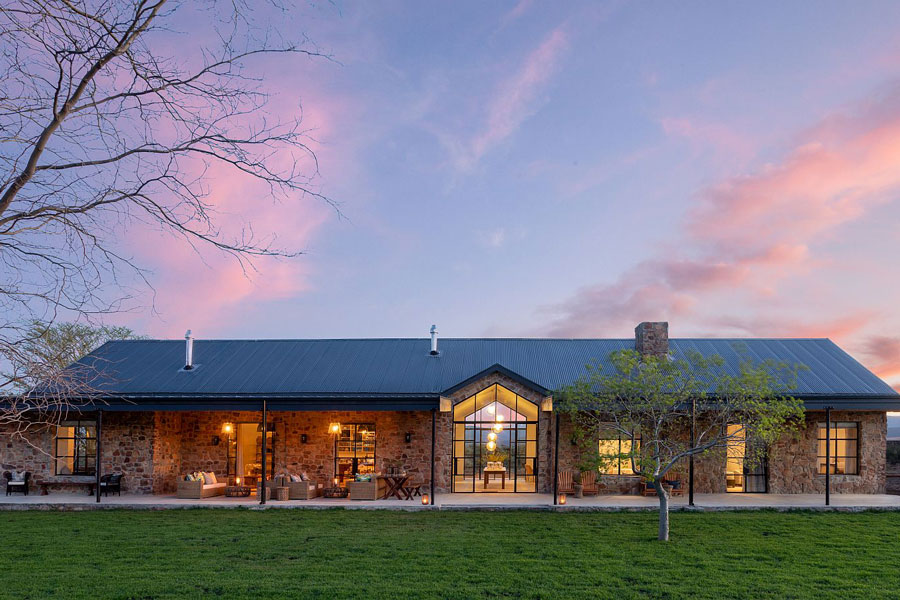
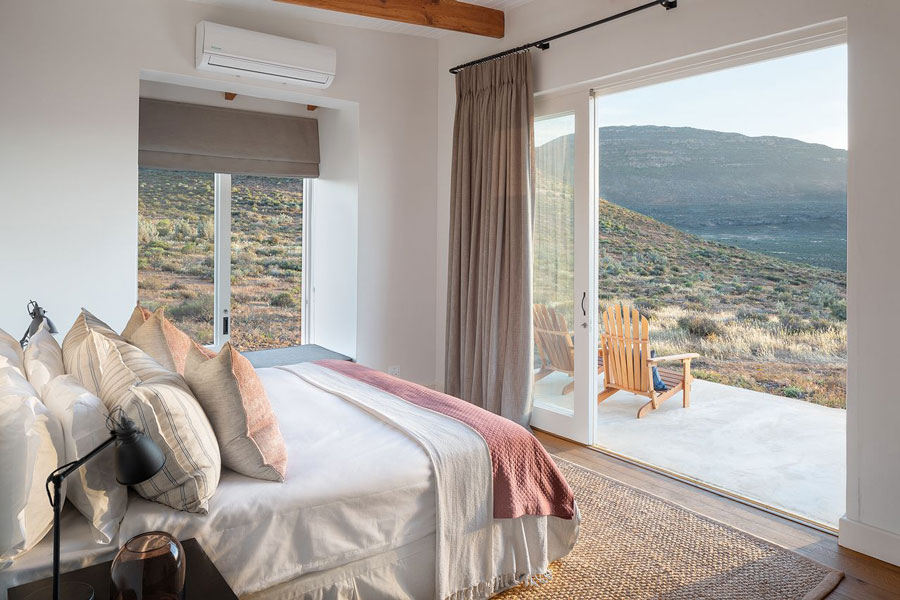
Beyond Clanwilliam, the cultivated Olifants River Valley meets one of South Africa’s most distinctive wilderness landscapes. Sandstone cliffs rise in shades of ochre, rust and gold; fynbos clings to the drier slopes; and the air carries traces of citrus, rooibos and sun-warmed earth. Your home occupies a private farm rise overlooking this transition. Wide verandas and natural textures frame the mountains, while the pool, gardens and quietly refined dining spaces invite you to stop and absorb their scale.
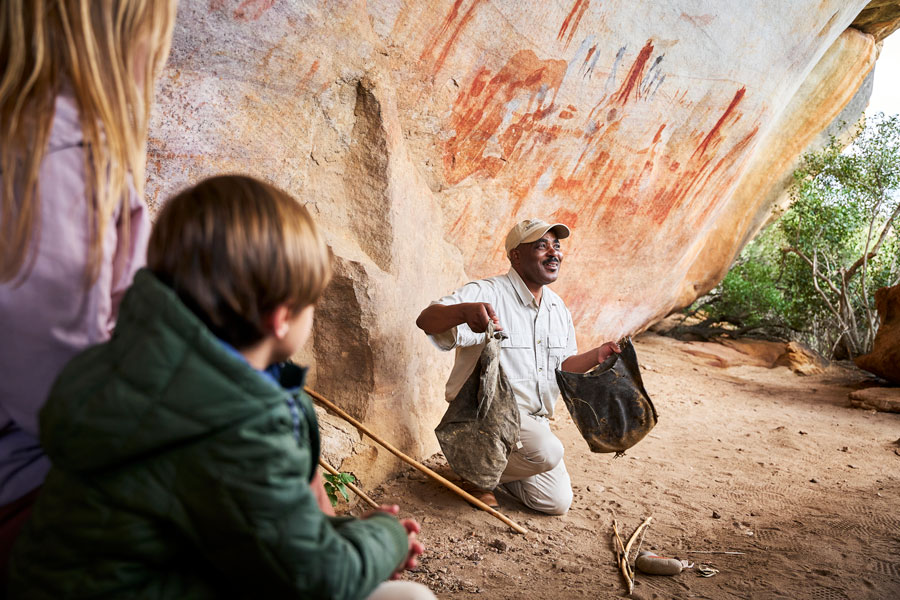
The region’s deeper history is revealed in the company of filmmaker, author and specialist guide Paul Myburgh. Following the Brandewyn River along the Sevilla Rock Art Trail, visit a series of caves containing paintings left by the San and Khoi people who once inhabited these mountains. Paul’s ability to read the images transforms them from isolated markings into a much richer account of human life, belief and survival. The experience is private and conversational, allowing questions and curiosity to determine the pace.
A second morning approaches the Cederberg through light. Professional photographer Peter Atterbury guides you into valleys where sandstone boulders, indigenous plants and vast skies create an ever-changing natural composition. This is not only for experienced photographers: it is an invitation to look more carefully. Return to the lodge for an afternoon that can be shared or spent apart, perhaps beside the pool, at the spa or walking through the fynbos, before reuniting as the mountains ignite in the final golden light. Dinner follows by candlelight or around the boma fire, with seasonal produce and regional wines bringing the surrounding landscape to the table.
After a final breakfast overlooking the peaks, continue deeper into the Cederberg wilderness. It is a short journey, but the scenery changes quickly as Clanwilliam’s agricultural edges recede and immense sandstone formations begin to dominate the horizon. Within half an hour, you arrive at your next private sanctuary, surrounded by open plains, ancient rock and an even greater sense of isolation.
Did you know?
From the months of late July to late September, you can see the flowers of the Namaqualand in bloom. Please note that this is time-sensitive, and can be built into the itinerary, though an extra day will be needed.

the journey
Home Base 4
Bushmans Kloof | Days 11–13
Deeper within the Cederberg, the landscape opens into a 7,500-hectare private wilderness of sandstone ridges, clear mountain streams and immense, uninterrupted skies. More than 130 ancient rock-art sites lie protected within the reserve, alongside an extraordinary concentration of indigenous plant life. This is a place shaped by time on a geological scale. Little intrudes upon its silence.
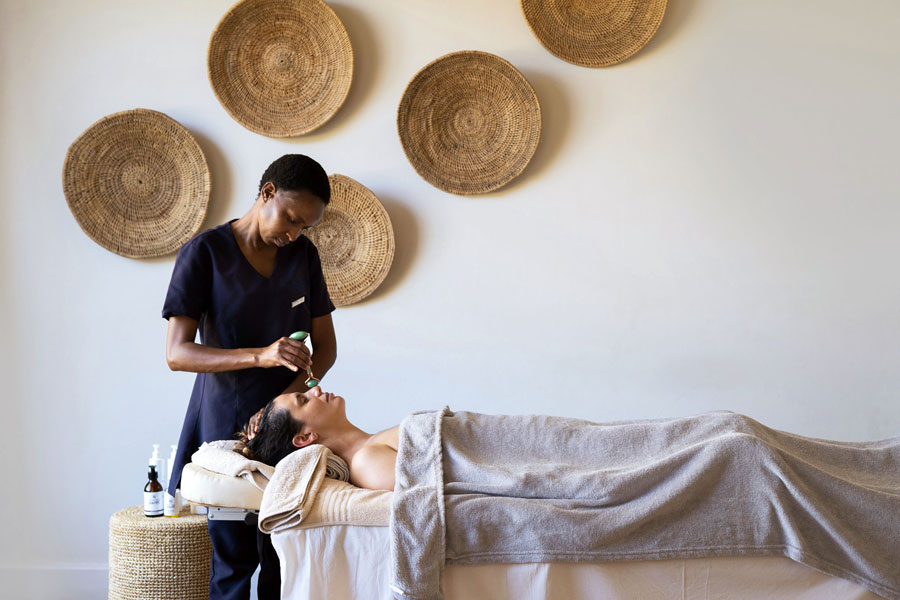
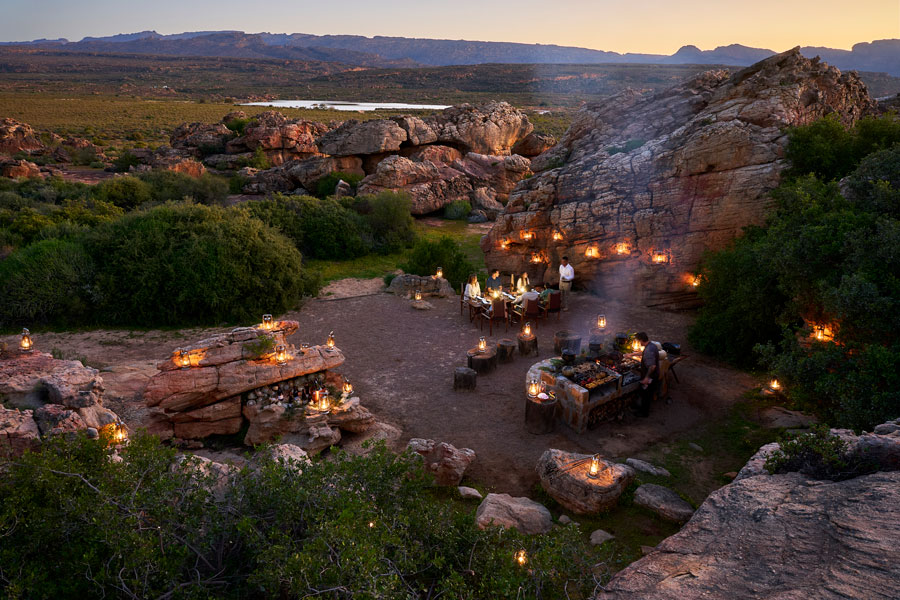
Your home combines that sense of isolation with warmth, colour and deeply personal hospitality. Individually designed rooms, suites and villas overlook gardens and rugged mountain scenery, while an acclaimed spa provides a quiet counterpoint to the days spent outdoors. Food is equally rooted in place. Seasonal ingredients arrive from the organic kitchen gardens, and dinners unfold in the historic homestead, beneath open skies or among the lanterns and herb beds of the Walled Garden.
The conversation -- which started beside the Brandewyn River -- now deepens through privately guided access to rock-art sites within the reserve. Some of these paintings date back as far as 10,000 years, recording animals, human figures and beliefs across generations of San life. An experienced guide helps place the images within their wider cultural and natural landscape, with gentle walks and time to examine each site properly. The afternoon belongs to you. Return to the spa for a treatment inspired by indigenous botanicals, find stillness beside the river or simply retreat to your suite.
A morning nature drive reveals another side of the reserve. Cape mountain zebra and bontebok move across the open plains, birdlife gathers around the waterways and more than 755 indigenous plant species occupy habitats ranging from dry mountain slopes to sheltered valleys. Pause for coffee at a remote viewpoint, then spend the afternoon canoeing, walking through the gardens or doing very little at all. After dinner, the darkness becomes an experience in itself as a guide introduces the constellations, cultural traditions and celestial folklore of the southern sky.
Leaving the mountains behind, turn west towards the Atlantic. At Muisbosskerm, lunch is prepared over open wood fires beside the beach, with West Coast seafood served against the sound and salt of the ocean. The afternoon journey continues through coastal farmlands and bird-rich wetlands, pausing at characterful farm stalls before following the shoreline through Velddrif. By the time Paternoster appears, whitewashed cottages and granite boulders have replaced the ochre wilderness of the Cederberg.
the journey
Home Base 5
Paternoster | Days 14–16
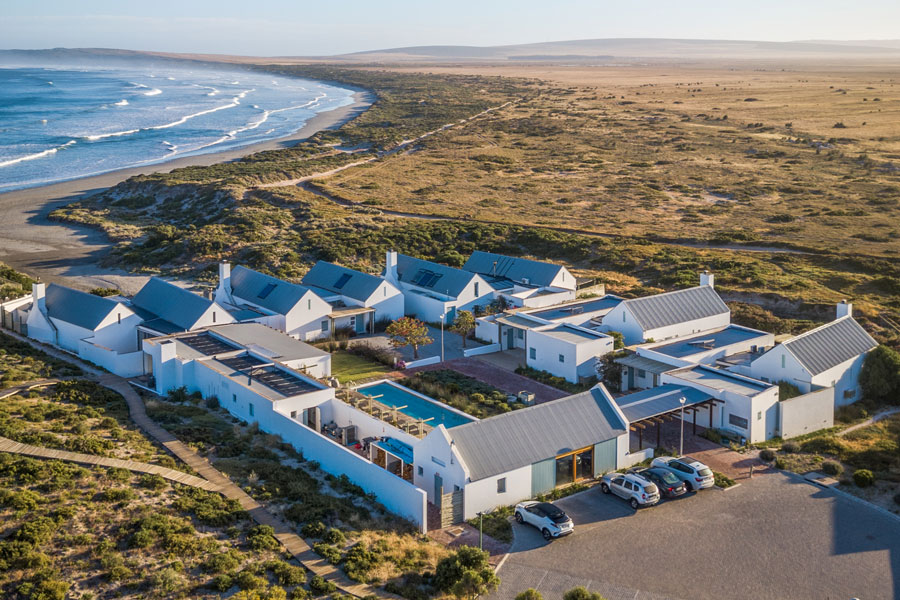
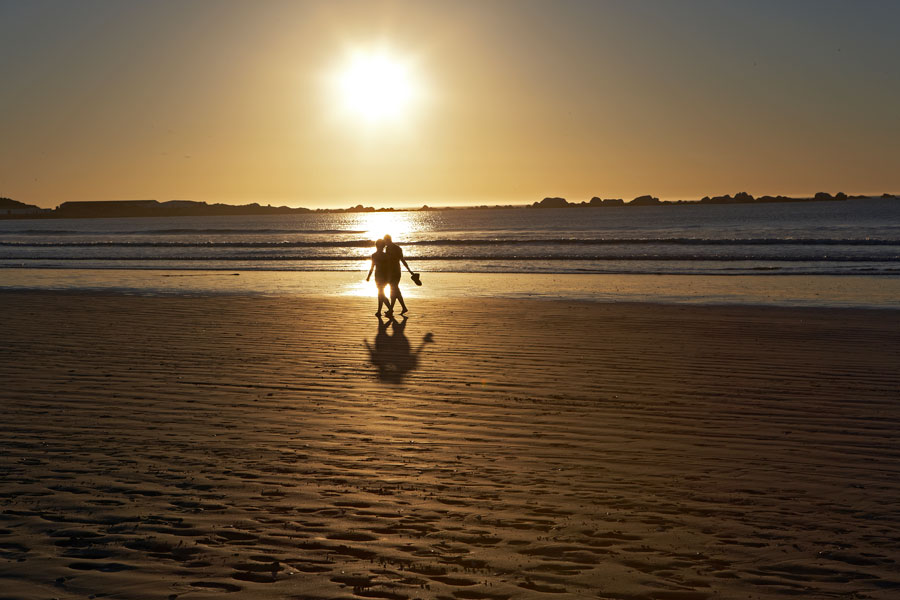
After the earthy colours and enclosed valleys of the Cederberg, Paternoster feels almost startlingly open. Whitewashed cottages gather around a broad Atlantic bay, fishing boats rest on the sand and long beaches stretch towards the Cape Columbine Nature Reserve. Life here has always been shaped by the ocean.
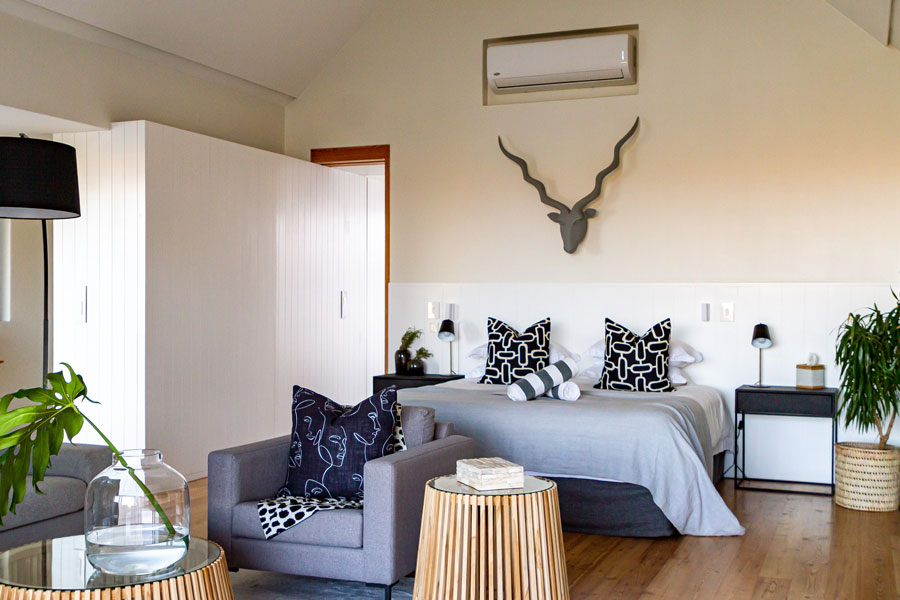
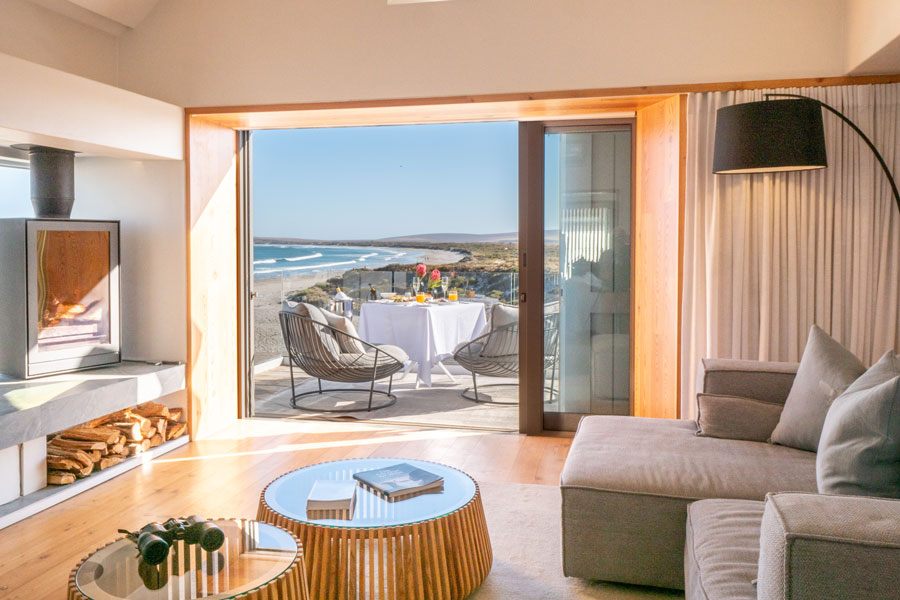
Your home sits within a quiet northern corner of the village, where 16 rooms and suites combine clean coastal design with the textures of stone, timber and linen. Wide doors connect private courtyards and terraces with the surrounding sky, sand and sea, while handmade stone baths, outdoor showers and wood-burning fireplaces soften the boundary between indoors and out. Children under 12 are not accommodated, helping to preserve the property’s atmosphere of calm. Its beachfront restaurant, Leeto, brings local and seasonal ingredients to the table with the same understated approach.
The West Coast landscape is explored through taste as well as sight. In the Cape Columbine Nature Reserve, botanist Rupert Koopman leads a private foraging walk among salt-tolerant succulents, aromatic herbs and edible seaweeds. Touch, crush, smell and taste. Along the way, Rupert explains how these plants survive one of the Cape’s most exposed environments and how they have become part of the region’s culinary identity.
The experience continues at Wolfgat, where Chef Kobus van der Merwe serves only 20 diners at each sitting. His seven-course Strandveld menu draws upon sustainable seafood, local meat, seasonal veldkos, wild herbs and seaweed gathered from the surrounding rock pools. Some elements take weeks to prepare; others are collected on the morning they are served. Afterwards, the day opens up again, leaving you free to walk the beach, return to your terrace or simply listen to the Atlantic.
A slower morning introduces the creative life of the village. Browse local art at the revitalised Crayfish Wharf, follow the shoreline on foot or explore the quieter tracks by bicycle. The afternoon is deliberately unscripted, with kayaking, coastal walks and complete idleness all equally valid choices. As evening approaches, a performance at Die Koelkamers Teater offers an intimate encounter with local music and culture before an optional dinner overlooking the ocean at Leeto.
On departure morning, we turn south towards Cape Town, with one final day of discovery along the West Coast. At the West Coast Fossil Park, exceptionally preserved remains reveal the bears, sabre-toothed cats and short-necked giraffes that inhabited this once-lush region more than five million years ago. Depending on the season and your interests, the journey south can also include the wildflowers and lagoon landscapes of the West Coast National Park or a privately guided encounter with San culture and heritage at !Khwa ttu. Continuing along the Atlantic coast, we pause for a leisurely lunch in Melkbosstrand before the familiar outline of Table Mountain begins to rise ahead. It is a gentle return to Cape Town and a fitting final view of the coastline that has shaped the closing chapters of the journey.